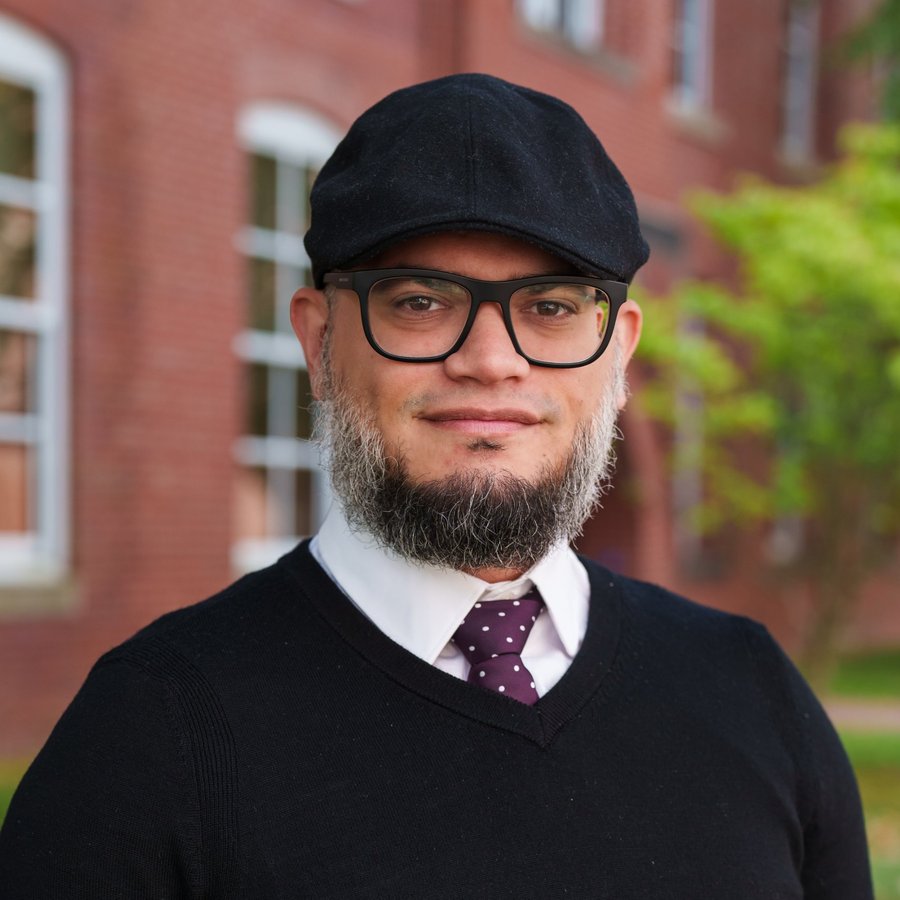
From the sprint track to the spreadsheet
I didn't set out to build an assessment business. I set out to understand how people move, and to get better at explaining what the data actually says once you measure it.
That started with a degree in mathematics, then over a decade coaching track and field, earning USATF and USTFCCCA certifications along the way. The master's added the research side: a thesis testing whether a four-week sprint training protocol changed jumping performance, and the first studies on balance. The PhD focused the lens on older adults: fall prevention at the intersection of cognition, movement, and aging.
Move, Measure, Analyze exists because that combination, someone who has coached, who has run the research, and who can build the statistical models underneath a report, is rare to find in one person. Most practices split it across a lab, a gym, and a data team. Here, it's one person end to end, which means nothing gets lost in translation between the measurement and the recommendation.